
6 Warning Signs of Postpartum Depression | Safe and Sound
An estimated 140 million children are born worldwide each year. Excluding multiple births, approximately 20 million of these women experience postpartum depression. According to psychologists and psychiatrists, about 50% of these women will never be diagnosed and receive the help they need. Therefore, it is crucial for both you and your partner to be aware of the signs of postpartum depression.
Ngo Thi Sang | Master of Education – Institute of Psychology and Mental Health (SnS)
Center for Community Health and Development Research
1. What is postpartum depression?
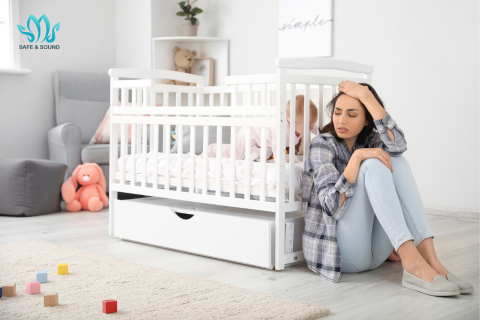
What is postpartum depression?
Postpartum depression is a form of depression that affects many mothers in the early stages after giving birth. According to psychologists and psychiatrists, most mothers may experience some sadness after childbirth because both estrogen and progesterone hormones drop rapidly at this time. Feeling exhausted is normal, but persistent feelings of sadness and hopelessness are not.
Psychologists and psychiatrists say it's essential to be aware of the signs of this condition, as some women who experience postpartum depression may be at a higher risk of developing severe depression later in life. In some, it may present as sudden onset symptoms, or it may take months to realize you might need help.
We need to detect this problem early, because the longer it is left untreated, the more it will affect the patient's mental health. Safe and Sound, with its team of psychological experts, can help you identify problems in people with severe depression.
If left untreated, postpartum depression can last for months or even longer, leaving you feeling terrible and anxious. This can be very stressful for new parents, leaving them unsure of what to do or who to ask for help. There is still stigma surrounding conditions like postpartum depression, leading new mothers to feel like they can't speak up or seek help.

According to psychologists and psychiatrists, after childbirth, the levels of certain hormones can drop sharply, which can contribute to "baby blues." The significant decrease in estrogen, progesterone, and other hormones can cause you to feel very sad and depressed.
What you're going through isn't your fault, and it's not something you can control. You're not a bad mother, and you're not to blame. You're a great mother who's just gone through nine months of significant physical and hormonal changes. So, don't be so hard on yourself—that's the advice psychologists and psychiatrists are giving you. Just know that help is always available, and asking for and accepting that help is crucial to your recovery.
Women experiencing postpartum depression require specialized support from mental health professionals to manage and alleviate symptoms. The care process typically begins with a thorough assessment to determine the severity of the depression. Based on this assessment, Safe and Sound's mental health professionals will develop a personalized treatment plan tailored to each individual's specific needs and circumstances. So, how can Safe and Sound help you overcome this problem?
- Identify and adjust your inner state in the face of your current difficulties.
- Together we will find the optimal solution to overcome the challenge.
- Activate your inner positive energy.
Psychologists and psychiatrists say new studies have shown that first-time fathers can also experience postpartum depression. You might think, how? Well, the human body is complex with many secrets we haven't yet uncovered, but it seems that hormonal changes occur in first-time fathers, as do they during this journey.
We believe that the combination of a psychologist and a psychiatrist will provide the best support for you. Safe and Sound's team of experts meets rigorous standards, helping you address a wide range of mental health issues, including postpartum depression, anxiety, sleep problems, mood disorders, relationship issues, mental trauma, and more.
- Extensive professional experience dealing with a wide range of psychological issues.
- Skills in assessing, consulting, and developing effective support plans.
- Flexibly combine techniques and methods to effectively support and maintain sustainable results.

2. 6 Warning Signs of Depression
2.1. Loss of interest
Perhaps one of the first signs of any depressive state is a loss of interest. According to psychologists and psychiatrists, with postpartum depression, you may feel no interest in interacting with your baby or in bonding with your baby.
You might also feel uninterested in the world around you or things you once loved. You don't want to go out. You don't want to socialize, even with your friends. This can lead to complete isolation. Psychologists and psychiatrists advise that at this point, you should take a step back and realize that you may need help and support from the outside.
2.2. Difficulty sleeping at night
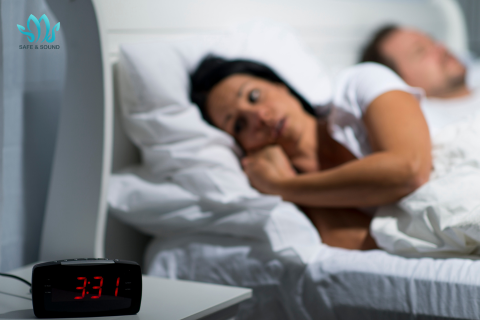
Difficulty sleeping at night
Naturally, you'll sleep much less after your baby is born. It's important to remember that sleep is directly linked to your health and longevity. It will take some time for you, your partner, and your baby to establish a routine.
If you start noticing that you're struggling to fall asleep or having trouble sleeping at night, this is something to watch out for. It's important for both you and your baby to get enough sleep. According to psychologists and psychiatrists, lack of sleep or insomnia can worsen symptoms of postpartum depression. A helpful tip is to sleep when your baby is sleeping.
2.3. Persistent feelings of sadness, guilt, or grief.
When you become a new mother, you'll face challenges, which can make you feel like you're not doing a good enough job caring for your newborn.
When you feel anxious and aren't getting enough sleep, you can feel completely overwhelmed, like you don't know what you're doing. Psychiatrists and psychiatrists say this is a vicious cycle that can make you feel like a failed mother. This leads to overwhelming and persistent feelings of guilt and sadness. If you're experiencing persistent sadness, guilt, or shame, which could be a sign of postpartum depression, it's important to talk to someone.
2.4. Lack of energy or constant fatigue

Lack of energy or constantly feeling tired
It's normal for parents to sleep less after a baby is born. Less sleep can lead to feelings of low energy and exhaustion during the day. It's important that both you and your partner work together as a team so you can get as much sleep as possible with your newborn.
According to psychologists and psychiatrists, if you feel tired even while sleeping, you should contact a doctor for advice or a health check-up because it could be a sign of postpartum depression.
2.5. Difficulty concentrating and making decisions
This could be a consequence of not getting enough rest. Psychologists and psychiatrists say that lack of sleep often leads to inefficient cognitive processing. When you're truly exhausted, it's difficult to concentrate and make decisions.
2.6. Difficulty connecting with your baby
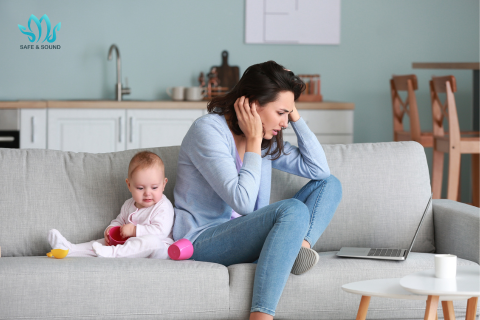
Difficulty connecting with the baby.
Generally, when you experience symptoms of postpartum depression, you may find that you no longer have an interest in doing things that you used to enjoy.
Combined with lack of sleep, general exhaustion, and constant hormonal changes, this can lead to you not feeling connected to your newborn baby. Conversely, it can leave you feeling guilty.
Psychologists and psychiatrists advise that it's important to remind yourself or your partner that this isn't your fault and you can't control it. The best thing you can do is seek the help and support you need.
3. How can Safe and Sound help you?
We understand that psychotherapy can sometimes be a difficult step, and trying to find a new psychologist or psychiatrist who is a good fit for your individual needs and personality can be a challenging task.
Psychological therapies, particularly Cognitive Behavioral Therapy (CBT), have proven effective in treating depression. This method focuses on changing negative thinking and behaviors. Through guidance from a psychologist or psychiatrist, you will learn how to recognize and transform negative thoughts into more positive ones, improving your mood and fostering a more positive attitude in your daily life.
To help our customers, Safe and Sound experts are always there to support you, assisting you in:
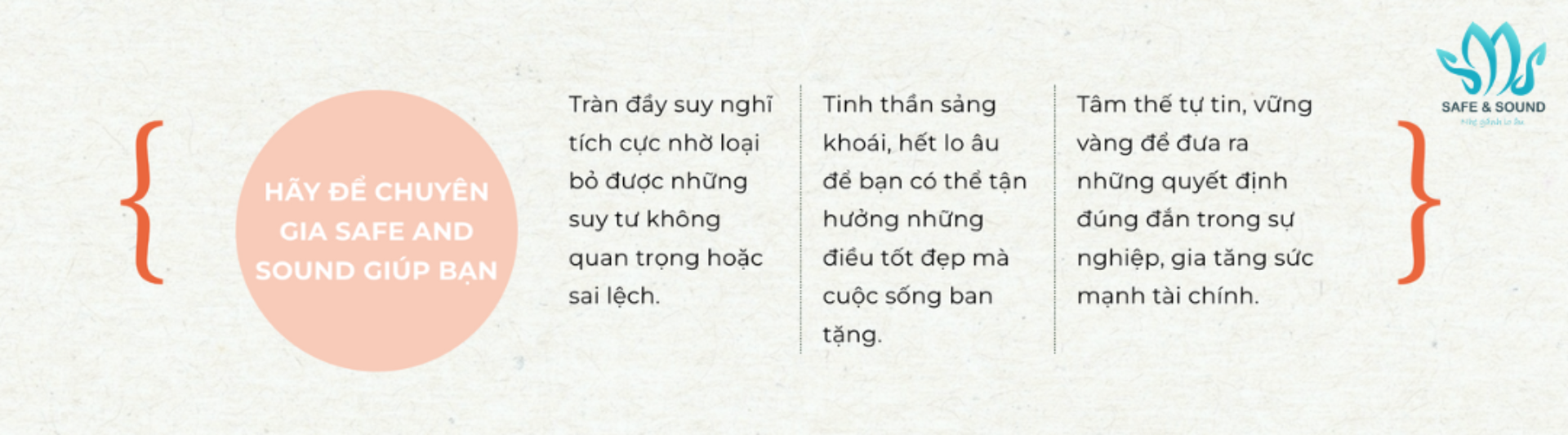
A brain filled with positive thoughts is created by eliminating unimportant or misleading thoughts.
- A refreshed and worry-free mind allows you to enjoy the good things life has to offer.
- A confident and steady mindset enables faster and more accurate decision-making at work, thereby increasing financial strength, career success, and self-esteem.
.png)
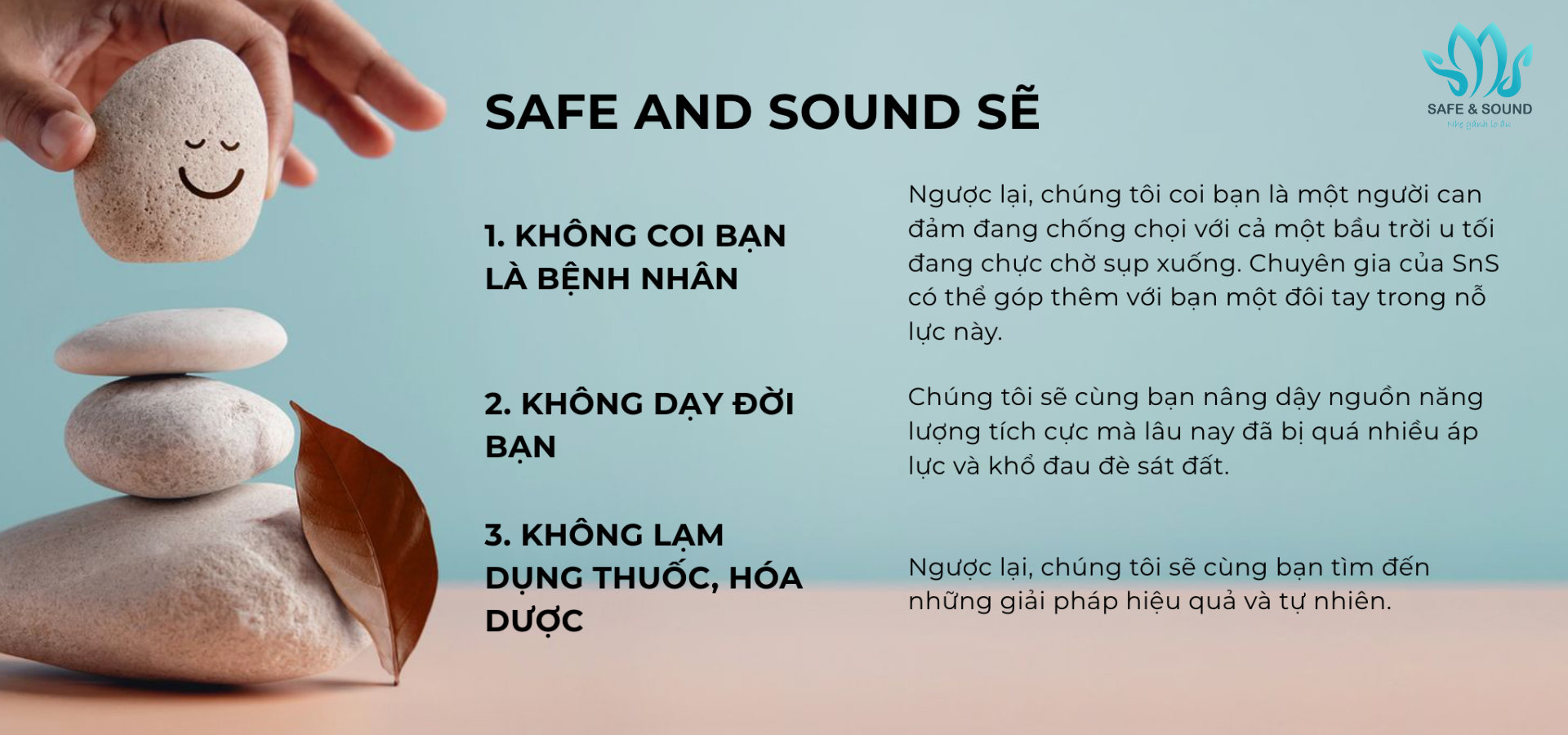
In addition, Safe and Sound will:
- We don't see you as a patient: instead, we see you as a courageous individual battling against a dark sky threatening to collapse. SnS experts can lend you a helping hand in this endeavor.
- We won't lecture you: we will work with you to rekindle the positive energy that has long been suppressed by so much pressure and suffering.
- Avoid the overuse of medications and chemicals: Instead, we will work with you to find effective and natural solutions.
We support you through the process of overcoming postpartum depression, guiding you step-by-step to connect with a psychologist or psychiatrist who is right for your specific needs. All our professionals are carefully vetted to ensure they meet the necessary standards and are committed to providing you with the highest quality care and support.
Download the Safe and Sound app today so we can help you overcome postpartum depression and find the right professionals to support you when you need them.

